The Picker Institute

ABOUT PICKER INSTITUTE
Our Mission
Picker Institute sponsors education and research in the field of patient-centered care in cooperation with educational institutions and other interested entities and individuals. The institute’s goal is to foster a broader understanding of the practical and theoretical implications of patient-centered care by approaching healthcare with a focus on the concerns of patients and other healthcare consumers.
Picker Institute is a world leader focusing on the measurement of the patient experience and recognized as an important source of information, advice and support. The board of directors supports the advancement of the science through programs, research and awards that recognize “best practices,” all designed to foster a continued improvement in healthcare from the patient’s perspective … through the patient’s eyes. The Gold Foundation supports the development and dissemination of innovative medical education that furthers this mission.
Our Values
All patients deserve high-quality healthcare, and patients’ views and experiences are integral to successful improvement efforts. The Patient-Centered Care movement believes in the PRINCIPLES OF PATIENT-CENTERED CARE:
Respect for patients’ values, preferences and expressed needs
Patients want to be kept informed regarding their medical condition and involved in decision-making. Patients indicate that they want hospital staff to recognize and treat them in an atmosphere that is focused on the patient as an individual with a presenting medical condition.
llness and medical treatment may have an impact on quality of life. Care should be provided in an atmosphere that is respectful of the individual patient and focused on quality-of-life issues.
Informed and shared decision-making is a central component of patient-centered care.
Provide the patient with dignity, respect and sensitivity to his/her cultural values.
Coordination and integration of care
Patients, in focus groups, expressed feeling vulnerable and powerless in the face of illness. Proper coordination of care can ease those feelings. Patients identified three areas in which care coordination can reduce feelings of vulnerability:
Coordination and integration of clinical care
Coordination and integration of ancillary and support services
Coordination and integration of front-line patient care
Information, communication and education
Patients often express the fear that information is being withheld from them and that they are not being completely informed about their condition or prognosis. Based on patient interviews, hospitals can focus on three kinds of communication to reduce these fears:
Information on clinical status, progress and prognosis
Information on processes of care
Information and education to facilitate autonomy, self-care and health promotion
Physical comfort
The level of physical comfort patients report has a tremendous impact on their experience. From the patient’s perspective, physical care that comforts patients, especially when they are acutely ill, is one of the most elemental services that caregivers can provide. Three areas were reported as particularly important to patients:
Pain management
Assistance with activities and daily living needs
Hospital surroundings and environment kept in focus, including ensuring that the patient’s needs for privacy are accommodated and that patient areas are kept clean and comfortable, with appropriate accessibility for visits by family and friends.
Emotional support and alleviation of fear and anxiety
Fear and anxiety associated with illness can be as debilitating as the physical effects. Caregivers should pay particular attention to:
Anxiety over clinical status, treatment and prognosis
Anxiety over the impact of the illness on themselves and family
Anxiety over the financial impact of illness
Involvement of family and friends
Patients continually addressed the role of family and friends in the patient experience, often expressing concern about the impact illness has on family and friends. These principles of patient-centered care were identified as follows:
Accommodation, by clinicians and caregivers, of family and friends on whom the patient relies for social and emotional support
Respect for and recognition of the patient “advocate’s” role in decision-making
Support for family members as caregivers
Recognition of the needs of family and friends
Continuity and transition
Patients often express considerable anxiety about their ability to care for themselves after discharge. Meeting patient needs in this area requires staff to:
Provide understandable, detailed information regarding medications, physical limitations, dietary needs, etc.
Coordinate and plan ongoing treatment and services after discharge and ensure that patients and family understand this information
Provide information regarding access to clinical, social, physical and financial support on a continuing basis
Access to care
Patients need to know they can access care when it is needed. Attention must also be given to time spent waiting for admission or time between admission and allocation to a bed in a ward. Focusing mainly on ambulatory care, the following areas were of importance to the patient:
Access to the location of hospitals, clinics and physician offices
Availability of transportation
Ease of scheduling appointments
Availability of appointments when needed
Accessibility to specialists or specialty services when a referral is made
Clear instructions provided on when and how to get referrals
About Picker Institute and Patient-Centered Care
Picker Institute began when Jean and Harvey Picker experienced the healthcare system first-hand. In the late 1980s Harvey, and especially his wife, Jean – who suffered from a serious relapsing illness – experienced the healthcare system as patients. They concluded that, whilst the system was strong on clinical science, it never-the-less left much to be desired in terms of its humanity and ability to be responsive to the experience of illness as seen, “through the patient’s eyes”. They decided to raise the profile of what they called, “patient-centered healthcare”, to persuade health professionals, politicians and policy makers to see patient-centeredness as a fundamental part of good healthcare.
They had a deep commitment to a clear goal: improving healthcare delivery and creating a patient-centered-care environment that meets the true needs and concerns of patients and their family members. In cooperation with researchers at the Harvard Medical School, Dr. Picker sought to identify the issues that patients and their families consider the most important, and that would assist hospital staff in improving the delivery of care in areas that matter most to patients.
From that commitment, and with assistance from The Commonwealth Fund and Beth Israel Hospital, grew Picker Institute, a nonprofit entity dedicated solely to developing a scientific approach to measuring how successfully the healthcare system delivers patient-centered care.
Researchers suspected, and later confirmed through extensive research, that simply adopting the accepted measurement tools in place at the time would not assist hospitals in improving patient experience and outcome. They theorized that patient-satisfaction tools and programs too often approached the task from an institutional mindset and quite literally failed to collect data most relevant to patients. Throughout the next seven years, in extensive interviews with more than 8,000 patients, family members, physicians and hospital staff, researchers sought the answer to four basic questions:
What do patients want?
What do patients value?
What helps or hinders their ability to manage their health problems?
What aspects of care are most important to them and their families?
Results of the interviews were used to identify the areas of care most important to patients and their family members. At the same time, researchers employed a unique approach. They asked patients and family members to report objectively on their experience with the care provided, rather than provide simple satisfaction ratings. Doing so provides hospitals and staff with clear areas of focus.
The resulting patience-experience surveys have become the world standard for measuring performance through the patient’s eyes. The Picker family of patient-experience surveys is used in quality-driven organizations throughout the United States, Great Britain, Germany and Switzerland.

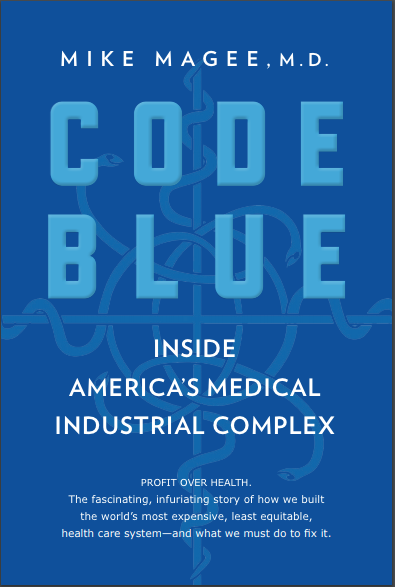
"Code Blue INDEX online"


Prospective Health Blog
BIOGRAPHY

NIH Precision Medicine
BIOGRAPHY

Health in 30
BIOGRAPHY

Larry's Letters
BIOGRAPHY

Precision Medicine, Euthanasia, Abortion, Communism, Trillions of Dollars, Losing Freedom, and Town Hall Mobs BIOGRAPHY

Yearning for Universal Coverage Is Not Universal
BIOGRAPHY

